Modalities

Individual therapy: The goal of individual therapy is to provide a safe and supportive space where we can work collaboratively to identify specific goals and develop a personalized treatment plan. Your therapist may use various techniques and approaches to help reach these goals. They can also provide coping strategies and tools to better navigate life's challenges and improve your overall mental health and well-being. Each one of our therapists has different areas of specialty and training.

Telehealth: We prefer to meet in person but we will accommodate telehealth needs in the case by case basis. Telehealth clients are responsible for securing a safe, quiet and confidential space to carry out the session. They will need to download the required application and have access to a device that supports video conferencing. Each therapist uses a different platform.
Please note, some insurance plans do not cover telehealth.
Specialties

Therapeutic Art is a form of therapy that uses art-making as a way to explore and process emotions, increase self-awareness, and improve overall well-being. Art therapy can be a powerful tool for self-expression and healing. Most of our therapists offer art therapy interventions as one of many treatment modalities.

Eye movement desensitization and reprocessing (EMDR) is a form of psychotherapy that was developed in the 1980s by Francine Shapiro. It is based on the idea that unprocessed memories and experiences can contribute to the development of psychological disorders, such as anxiety, depression, and trauma. EMDR is a structured, eight-phase treatment that involves the use of bilateral eye movements, sounds, or tapping to help individuals process and integrate their traumatic memories. The theory behind EMDR is that the bilateral stimulation helps the brain process and integrate the traumatic memories, leading to a reduction in the intensity of the associated emotions and beliefs.

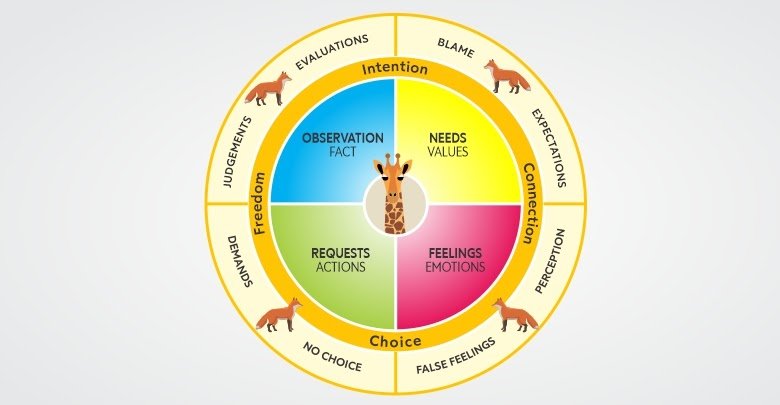
Nonviolent Communication (NVC) is a communication approach developed by Marshall Rosenberg in the 1960s. It is based on the idea that all human beings have the capacity for empathy and that compassionate communication is essential for resolving conflicts and building fulfilling relationships. NVC is designed to help individuals express their own needs and feelings, as well as listen to and understand the needs and feelings of others. It emphasizes the importance of using "I" statements to communicate and avoid blame or criticism, and encourages individuals to focus on the underlying needs that drive their behavior. NVC has been found to be effective in improving communication and conflict resolution skills in a variety of settings, including personal relationships, work environments, and community organizations.